Drone Roof Inspections in Dearborn, MI
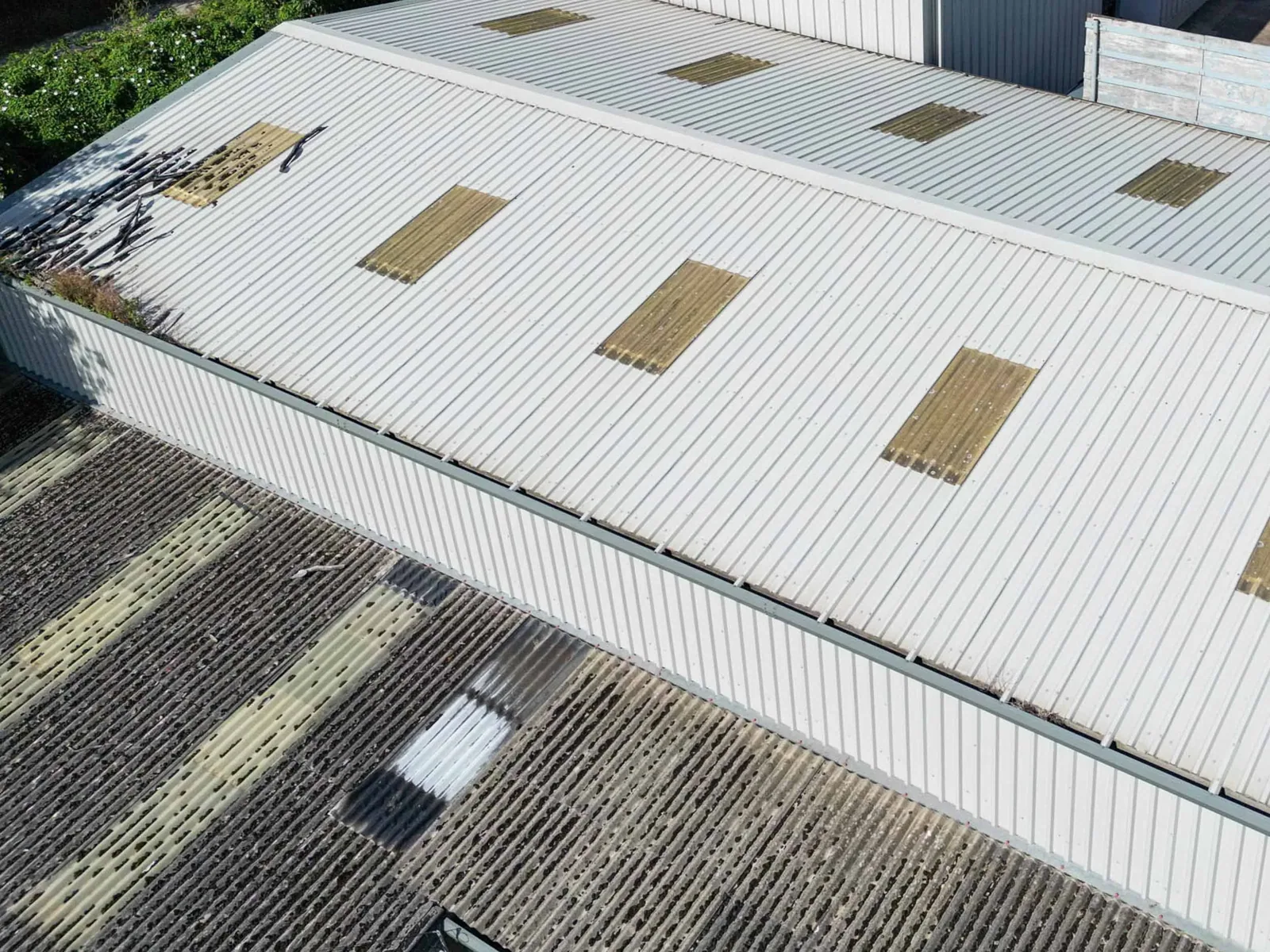
A broad roof with limited safe walk paths can be difficult to document from the access point. Drone imaging gives the facility director a view across the membrane field, perimeter, and roof features before a crew decides where hands-on inspection is needed. We plan coverage around launch and recovery areas, wind, operations, and nearby equipment. The images help identify locations for a closer look; they do not replace checking a seam, curb, drain, or soft area at roof level.
Dearborn, MI includes manufacturing, education, health-care, and professional activity, as well as commercial districts with retail and food-service uses. A large roof can have many transitions and operating constraints, so images need labels and a useful inspection question. In the Fairlane and Midtown area, where the city reports office and retail redevelopment activity, access coordination belongs in the flight plan. We tie each view to a roof area and a next step instead of delivering an unorganized image set.
Plan the Image Coverage Before Flight
We start with the roof plan, access information, and survey purpose. The goal may be to document a leak, locate visible ponding, review equipment transitions, or record storm-related surface changes. We mark the areas to capture and check whether operations, obstructions, or wind make flight unsuitable. A clear purpose keeps the image set useful for a decision.
Overhead views show broad surface patterns or water accumulation, while oblique views bring parapets, curbs, and edges into view. We label locations against a roof plan or clear building references. A suspected open seam or loose metal becomes an inspection lead; we confirm it from a safe working position before recommending repair.
For a roof that includes sensitive equipment or restricted work areas, we coordinate timing and launch points with the facility contact. The crew may need a ground observer or a limited flight area to keep the aircraft away from people and building operations. Where rooftop equipment occupies the view, we adjust the flight plan rather than assume the obscured section is clear. Our photo-linked findings can connect selected images to repair priorities.
Use Images to Find the Next Check
Aerial imagery is strongest at showing where a condition appears and how it relates to nearby roof areas. It may reveal a debris line, standing water, displaced edge material, or a broad area of surface change. It cannot confirm whether insulation below the membrane is wet, whether a seam has lost its bond, or how deeply a puncture reaches. Those questions require hands-on checks, moisture testing, or an opening when appropriate. We use the images to direct that work and keep the inspection within a defined scope.
In Dearborn, the weather station records a mean annual precipitation of 35.05 inches and measurable precipitation in most months. Drainage views can help flag areas for closer inspection, but an image alone cannot establish how deep or long ponding has been present. We verify drain bowls, scuppers, and nearby seams at roof level, then document any blockage or drainage concern that needs correction. A drain and scupper review is useful when the image suggests water is collecting around an outlet.
After a storm report, imagery can help compare exposed roof areas and locate details for a closer check. The image does not establish damage at the membrane, edge, or attachment; our crew checks those conditions from a safe position. We label the captured area and identify roof features that need hands-on review. A post-storm roof review can include that mapped follow-up.
Match the View to the Building
Henry Ford College’s main campus includes an Athletic Memorial Building alongside other campus facilities. On a multi-building campus, image capture needs a building identifier and clear boundary so facilities staff can route a visible concern to the right contact. For a campus roof program, we label each facility to the owner's reference. A commercial office roof uses the same image-to-building discipline.
Keep the Survey Safe and Repeatable
Flight conditions set the practical limits. Wind, precipitation, visibility, nearby activity, and a safe recovery zone can shorten or postpone the survey. We tell the facility contact which areas were captured and which could not be covered, so no one mistakes a partial view for a full roof inspection. The team also needs a plan for workers and occupants below the flight area. The property manager can help identify entrances, loading zones, or outdoor work areas that need temporary coordination.
Repeat images use comparable angles and labels. After a repair, we can capture a similar view to show surface changes or returning debris, then verify attachment and watertightness in person. Hands-on roof inspection checks seams, flashing, and drains that imagery cannot touch.
Deliver Images With a Decision Attached
The handoff helps the facility team decide what to inspect, repair, or monitor. We provide selected images with location labels, observed conditions, and areas that need hands-on confirmation. If the roof map is incomplete, we identify the reference for the next visit. For a likely defect, we recommend a repair visit, moisture survey, or wider review.
Dearborn averages 49.5°F across the year with 4,027 heating degree days, so a long cold season often decides the capture date. We schedule capture for the conditions on the day and note any roof area obscured or unsafe to approach. A seasonal maintenance review can use images to direct a safe walk to drains, edges, or visible debris.
The Warren Avenue corridor is a defined Dearborn business area, while the Fairlane/Midtown district includes redevelopment activity. These places illustrate why a roof image record should identify the building and the area reviewed. We keep findings tied to what the images show and confirm the repair decision through an appropriate roof-level check.
Commercial Roofing Questions
What conditions are easiest to see in drone roof images?
Aerial images can show broad surface patterns, debris, visible ponding, displaced edge material, and the location of roof features. They are useful for mapping areas that need a closer inspection, especially when access across the whole roof is difficult. We label the views and explain what needs confirmation so an image does not become a repair diagnosis by itself.
Can a drone confirm that insulation is wet?
No image can establish moisture below an intact membrane. We use aerial views to select test locations, then confirm suspected wet insulation with an appropriate hands-on method, such as a moisture survey or test opening. The report separates the visible surface condition from any concealed moisture finding.
Do drone images replace a roof walk?
They do not replace a hands-on inspection where seams, flashings, attachment, or drainage need to be tested. The drone can map the field and reduce blind spots, then a roofer checks the details that control water entry. We recommend the level of follow-up that matches the owner's question and the visible evidence.
Can you capture several buildings during one visit?
Multiple structures can be included when the flight area, access, conditions, and building operations allow safe coverage. We confirm each building identifier and boundary before capture. Separate labels keep the image set useful for facilities staff who need to assign findings to different maintenance records or contacts.
What happens if wind or snow limits the flight?
Weather can limit safe capture or hide the roof surface. We record the areas imaged, note what could not be seen, and recommend a better access window if the missing view matters to the decision. If the roof needs immediate protection, emergency response takes priority over aerial documentation.
Map the Roof and Choose the Next Inspection
Schedule drone imaging for a Dearborn commercial roof. We will label the captured areas, document visible concerns, and identify which items need a hands-on check or repair scope.