
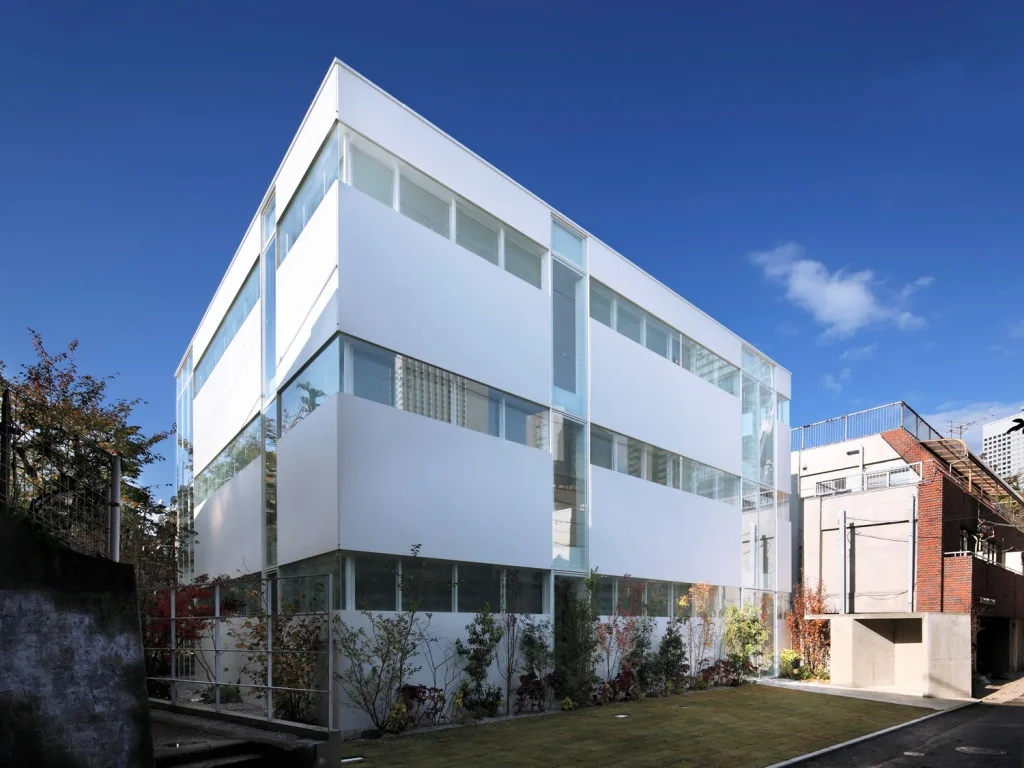
Office Building Roofing in Dearborn, MI
An office roof is judged by the ceiling below it, and the condition that changes the decision is usually a stain on a tile in a tenant's suite. Office buildings have parapets, many rooftop units, roof hatches and a steady stream of service visits, and a roof with all of those fails at the details long before the field gives out. The city's 2025 audited report notes large-scale office and mixed-use building activity around West Dearborn and Fairlane and Midtown, which keeps office roofs in front of owners and managers in Dearborn, MI.
We begin with the assembly and the tenant plan: which suites sit under which roof section, where leaks have been reported and how the roof is reached. The walk follows the water path from the stain upward, and the written findings tell the owner or property manager what to repair and in what order.
Water seldom enters where the stain appears. It travels along the deck, down a column or through a wall cavity before it reaches a ceiling, so we map stains on the interior plan and compare them with the roof plan. Several stains that line up along a parapet point to coping or wall flashing. A stain under a unit points to the curb. A stain in the middle of an open area, far from walls and equipment, points to a seam or a drain.
Parapets, Copings and Wall Flashing
Office buildings are often finished with parapets that hide the roof from the street. A parapet wall is a place where water can enter from three sides, so the coping cap, the wall flashing and the counterflashing do much of the work. When sealant at coping joints opens, water runs into the wall and shows up as staining on interior finishes, sometimes far from the roof.
We check coping slope, joint laps, fasteners under the cap, the termination bar at the top of the membrane and the sealant at every change of plane. A leak at a parapet often turns out to be a flashing failure, and a flashing failure repair is paired with the coping work so both are sound afterward.
Rooftop Units and Service Traffic
Air handlers, exhaust fans and condensers sit on an office roof, each with its own curb, penetrations and a path that technicians wear. A frequent source of office roof leaks is a curb flashing that was disturbed during service, or at a refrigerant or condensate line that crosses the membrane without protection.
We count the units, check each curb and photograph the condition of the flashing and the seals around lines. Walkway pads along service routes protect the field of the membrane, and a roof hatch with a worn gasket is replaced before it becomes an entry point for wind-driven rain. When a unit is replaced, the changeout plan covers temporary cover for the opening, the crane or lift, the permanent flashing and the date the next walk checks it, and it names who signs off on the flashing before the unit is set.
Tenants, Noise and Hours
Office tenants notice noise, odor and dust, and the lease may limit when work can happen. We ask for the building rules at the start: quiet hours, freight lift use, loading dock access and parking for crews and equipment. Tear-off noise is scheduled for early mornings, evenings or weekends where the building needs it, and the schedule shows the price of those hours.
Odor control matters. Adhesives and hot-applied products can reach air intakes, so we map the intakes, keep fumes away from them and coordinate any shutdown with the mechanical contractor. Tenants on the top floor are told in advance what they will hear and when, and a contact number is posted at the building office. A daily summary goes to the property manager: which sections were opened and closed, whether any water was found and what the next day will bring. If a hidden condition turns up, such as wet insulation or a damaged deck, the crew stops, photographs it and issues a revision with a quantity and a price before that section is closed in.
Drains, Ponding and Winter
At the Dearborn weather station the year brings 35.05 inches of precipitation and 30.8 inches of snow, and NWS Detroit averages 14 inches of snow for January and 12.5 for February. An office roof with a few interior drains and parapets on all sides collects snow, then sheds meltwater toward those drains. A blocked drain turns the roof into a pond behind the parapet.
We number the drains, flush the lines and record the result after each heavy snow. We check overflow scuppers as closely as the primary drains because they are the roof's backup. Where water stands, drain and scupper correction or tapered insulation is the first move. Ice is the other winter issue: drains and scuppers that freeze send meltwater to the nearest low spot, and a gutter packed with ice pulls loose. We look at those places on the first visit after a hard freeze.
Repair, Recover or Replace
An office roof with dry insulation and a sound deck may be a candidate for a recover, which avoids tear-off noise and dust. When wet insulation covers a wide area, the scope becomes replacement. Permitted work is held to Michigan's 2021 codes, and the energy code may call for added insulation when a roof is torn off.
Owners with several buildings can use one reporting format across them. A roof condition report gives a lender, a buyer or an asset manager the same facts the facility team uses: condition by section, remaining service life, repair boundary and cost range.
After Severe Weather
After the damaging winds and large hail that crossed Southeast Michigan in September 2026, an office roof is walked promptly, and after any severe-weather event the walk looks for lifted coping, displaced equipment covers, hail marks and punctures. Photographs by roof section back an insurance claim if the owner files one, and the first crew protects the interior before anything else. Calls are taken at any hour, holidays included; a temporary seal goes on first and the permanent scope waits for a dry roof.
Where Office Roofs Are Concentrated
The city's reports describe office and mixed-use activity in West Dearborn and in the Fairlane and Midtown area. The West Downtown Dearborn district and the Fairlane and Midtown district are within our coverage, as are office buildings in Southfield and Troy. A suite with clinical tenants brings the concerns of a medical office, and a server room under the roof brings those of a data center.
Commercial Roofing Questions
Where does an office roof leak most often?
At curbs, parapet flashing and drains. These details move, collect water or get disturbed by service visits.
How are tenants protected during a reroof?
Work is scheduled around quiet hours, intakes are mapped, odors are controlled and tenants are told in advance what they will hear and when.
Can a recover be done on an occupied office building?
Often, once moisture testing finds the insulation dry. It avoids tear-off noise and dust, and a cover board separates old from new.
What does a property manager receive?
A written condition report with photographs by roof section, the repair boundary, remaining service life and a cost range.
What should be reported after a storm?
Stains, missing covers, displaced equipment and the date they were noticed. We walk the roof and protect the interior first.
Schedule a roof walk with your property team
Send the tenant plan, the leak history and the roof access. We will follow the water path from each stain and report what the roof needs.