
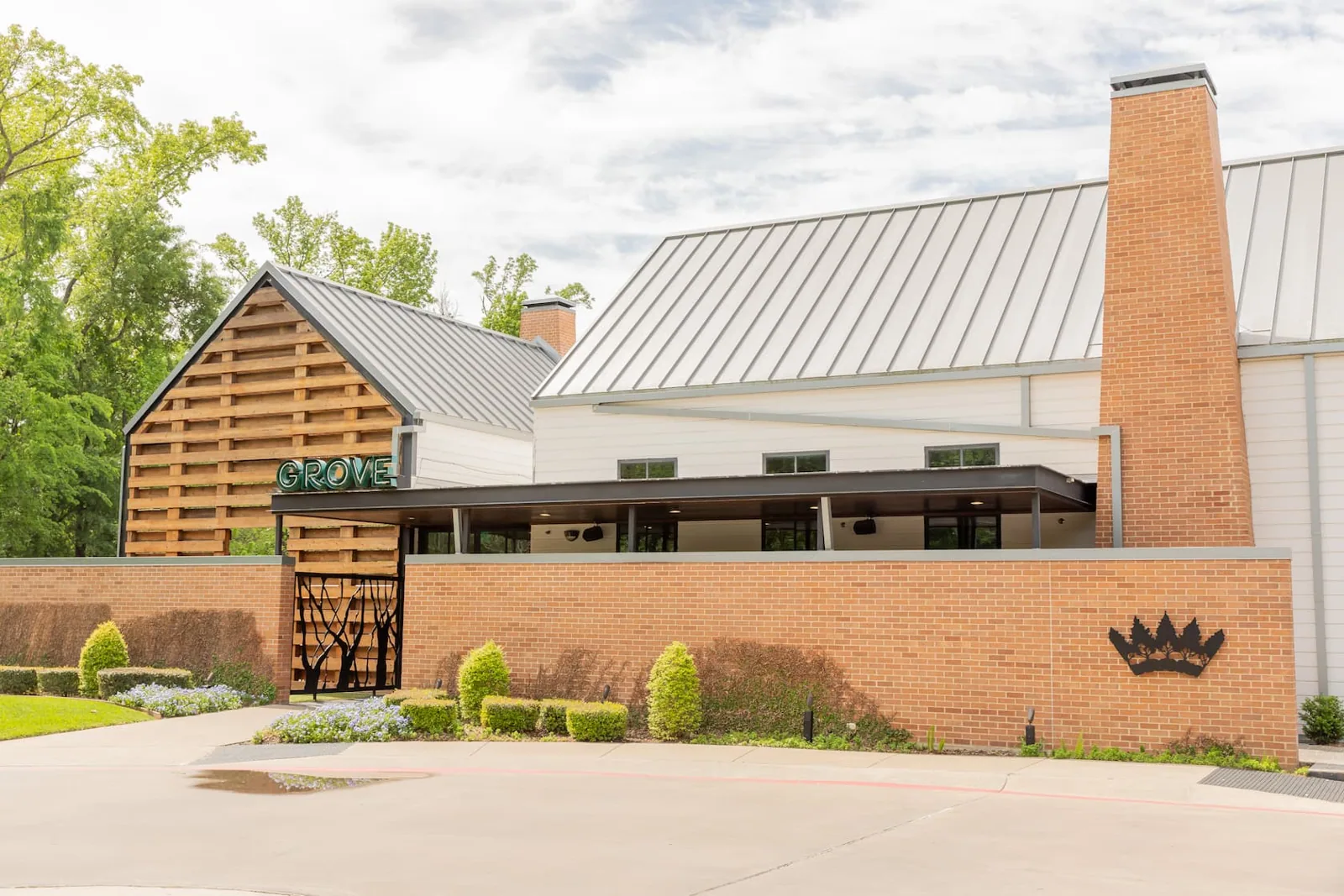
Restaurant Roofing in Dearborn, MI
The kitchen decides how a restaurant roof ages. Exhaust fans push heat, steam and grease through the roof, make-up air units pull air back in, and the hood line sits on a curb that was cut into the membrane. In Dearborn, MI, where the city lists restaurants and coffee shops among the retail and food-service uses of West Downtown and East Downtown, that kitchen equipment sits in buildings that may also carry historic storefronts and shared walls.
For that reason a restaurant inspection begins on the roof above the kitchen, not at the leak. We locate each fan, curb and grease path, record the condition of the membrane around them and then follow the water from the dining room ceiling back to its source. The sequence matters because grease and heat change what the membrane can tolerate.
Exhaust Fans, Grease and the Membrane
Grease leaves the exhaust and lands around the fan. It softens some membranes, stains the surface and drips down the curb into the insulation. A grease containment tray catches much of it, but trays fill and overflow. We check the area downwind of each fan for blistered, swollen or discolored membrane and record where the change begins and ends.
The fix depends on how far the damage runs. A small stained patch around a tray may need a new tray and cleaning. A membrane softened across several feet needs cutting out and replacing, with insulation beneath checked for grease. A PVC membrane resists many of these exposures better than TPO or EPDM, so it is often priced as an option for the kitchen section.
Cleaning is part of the plan. Exhaust ducts are cleaned on a schedule, and the cleaning crew works on the roof at the fan. A cleaning visit that spills grease on the membrane starts the same damage as an overflow, so we recommend a mat or tray under the work and a short check after each visit. The check takes minutes and the photographs go into the file.
Hood Curbs and Make-Up Air
Hood curbs are tall, hot and heavy, and the flashing on them is under constant thermal movement. We check the corners, the counterflashing and the fasteners, and we look for open seams where the curb meets the roof. Make-up air units add a second curb nearby, and the roof between the two often collects water. A curb and support inspection marks each one and notes any that sit below the finished roof level.
Condensers and walk-in cooler equipment add line sets and stands. Stands should sit on pads, and line supports should not rub the membrane. If a tenant changes and the kitchen is rebuilt, the roof plan gets a new walk before the new equipment is placed, so unused curbs can be removed and patched.
Historic Storefronts and Shared Walls
East Downtown includes historic storefronts, shops and restaurants, and West Downtown includes historic architecture along Michigan Avenue. A restaurant in an older block often shares walls, and flashing at a party wall serves two businesses. We record the wall, the flashing and the condition on both sides, and we ask the owner who holds access rights across the line. The Dix-Vernor corridor in the South End reflects successive immigration waves beginning in the 1920s, as the city notes, and its buildings and businesses carry that mix of ages and uses.
Repairs in a streetscape are visible. Edge metal, coping and parapet finishes can be matched to the existing building, and we photograph the roofline before and after. Where the district authority supports facade or streetscape work, the roofing schedule is coordinated with it.
A restaurant that is one tenant in a larger shopping center roof bay has a different problem from a stand-alone building: the landlord owns the roof and the tenant owns the kitchen equipment. The record separates the two, so a leak at a curb the tenant installed is not charged against the base building without a look at the photographs.
Service Hours and Prep Windows
A restaurant has two quiet windows: the hours before prep begins and the hours after cleanup. Roof work that is noisy, smelly or dusty goes in those windows. Exhaust fans that must shut for a repair shut during the quiet hours, and the manager approves the time. Rooftop intakes near the work are covered when the kitchen runs, so no dust or fumes reach food prep.
The dining room gets its own protection. If the leak is over seating, covers go over tables and a catch goes under the drip, and the host area stays clear of the lift. Delivery trucks need the same lane the lift wants, so the plan shows which hours each uses and which door stays open for the kitchen.
Safety on a restaurant roof also covers the access route. Roof hatches often open in a kitchen storage room, and a ladder in a crowded room is a hazard. The plan names the route, clears it before the crew arrives and shows where the lift stands if the hatch cannot be used. Fire safety follows: hot work needs a permit and a watch, and welded or cold-applied methods avoid open flame near grease.
Snow, Freeze-Thaw and Drains
Heating demand is high in Dearborn, at 4,027 degree days a year, and 30.8 inches of snow falls at the station, with the last flakes usually near April 7. On Warren Avenue, Michigan Avenue or the Dix-Vernor corridor, a restaurant roof is a small field with a few drains, so a blocked outlet shows up quickly as ponding over the kitchen or the dining room. Roof drains and scuppers are cleared before the first snow, and condensate lines that cross the roof are checked for ice.
Steam from exhaust can condense on a cold roof in winter and freeze around the fan. We look at the area around each fan for ice build-up, which stresses flashing and can lift edges. The written findings record where ice formed so the next winter's check starts there.
Repair, Recover or Replace the Kitchen Section
Often the kitchen section fails before the dining room section. A phased approach replaces the kitchen section first with a membrane that suits grease and heat, and leaves the rest of the roof under watch. The moisture survey shows whether insulation near the kitchen is wet, and the cores confirm it. Insulation on a replacement may be affected by the commercial energy code that took effect April 22, 2025, so the enforcing authority is asked before pricing.
An owner of several locations, as retail and restaurant chains are, can compare the roofs with one scope format at every site. A bakery or grocery store nearby shows the same exhaust and grease patterns.
Commercial Roofing Questions
Why does grease damage a roof membrane?
Grease softens some membranes and stains the surface. It also soaks into insulation near the curb, where it holds water. A containment tray catches much of it, and PVC resists many of the exposures better than other single-ply membranes.
Can roof work happen while the kitchen is running?
Yes, with zoning and intake covers. Fans that must shut do so in the quiet hours the manager names, and the loudest steps wait for prep and cleanup windows. The plan shows the times and the approvals.
What do you do when two restaurants share a wall?
We record the wall flashing on both sides, show both owners the same photographs and ask for written access approval. Repairs that cross the line are priced and scheduled with both.
Is the kitchen roof replaced separately?
It can be. The kitchen section often fails first from heat and grease, so a phased replacement with a suitable membrane keeps the dining room section under watch until its own condition justifies work.
How do you protect the dining room during a leak?
We cover tables and fixtures, place a catch under the active drip, keep the host area clear and record the time and location. Roof access and dry-in follow once the interior is protected.
Schedule a restaurant roof inspection
Tell us where the kitchen sits, when prep and cleanup happen and how the roof is reached. We will inspect the exhaust, curbs and membrane, record the findings in writing with photographs and give you repair and replacement paths.
