
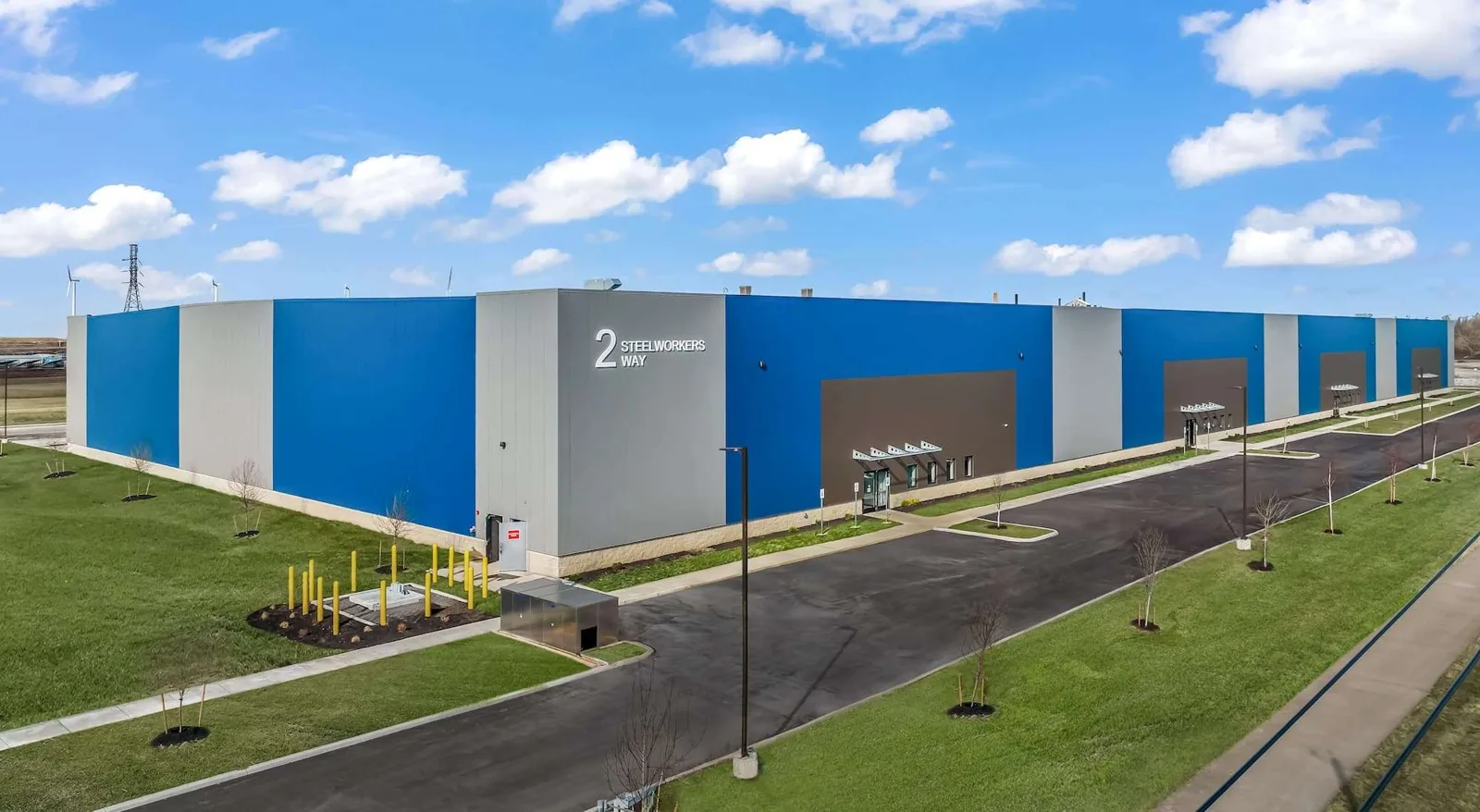
Manufacturing Plant Roofing in Dearborn, MI
A manufacturing plant is rarely one roof. It is a set of roof sections built in different years, with different systems, over different processes, and the condition that changes the decision is what happens directly below each section. In Dearborn, MI, manufacturing is among the city's major industries, and the city names Ford Motor Company, Carhartt and Hollingsworth among its headquarters employers. The plan also reports that Ford operates a research-and-development complex in the city that is undergoing reconstruction. Each plant's roofs are read from the walk, not from the company name.
The first deliverable is a roof plan divided into sections, each tagged with its system, its approximate age if it can be read, the operations below it and the findings from the walk. From that plan the facility director can rank repairs by consequence.
Consequence has a specific meaning in a plant. A leak over a finishing line, a battery area, an electrical room or a clean zone stops production, and a leak over a storage aisle may only damage stock. We ask the plant manager to mark the sensitive zones on the plan during the first meeting, and the ranking follows from that, not from the roof's appearance. A section that looks worse may rank below one that looks fine and sits over a critical line. The ranking is reviewed with the plant manager after the walk, and the sequence of repairs follows the production calendar, not the other way around.
Mixed Roof Sections and Additions
Plants grow by addition. A newer section may meet an older one at a parapet or a change in height, and the junction is where movement concentrates and water collects. Expansion joints, area dividers and roof-to-wall transitions are inspected as their own category, because they fail differently from the field.
When two sections carry different membranes, repairs must use compatible materials at the junction. A weldable single-ply cannot be glued to a built-up roof without a transition detail, and we identify each system by core cut before ordering materials. The written findings note the system on each section so a later crew does not repeat the guess. Roof drains tie sections together, too: one section may drain onto another, and a repair or a new roof on the upper section changes the water load on the lower one. We trace those flows before any section is touched, and the plan shows where scuppers discharge onto lower roofs and how the lower membrane is protected from the stream.
Process Exhaust, Heat and Moisture
Production buildings put things on their roofs that offices do not: process exhaust, makeup air, moisture from washdown, heat from furnaces or ovens, and vibration from heavy equipment. These shorten the life of the membrane around the source and can cause condensation under the deck. A roof over a hot process can run warmer than the weather alone would make it, and thermal cycling at the seams increases.
We map each exhaust and vent on the roof sketch, photograph staining and test for softened or contaminated membrane. Where exhaust deposits are present, KEE membranes or a PVC system may be proposed for the affected sections. Condensate trails below ducts are checked for corrosion on the deck.
Rooftop Equipment and Service Traffic
Plants carry large units, ductwork, piping and platforms on the roof. Each support is a point load and a flashing, and technicians walk the same path to service them every week. We check the supports for pads that protect the membrane, the curbs for flashing condition and the paths for wear, and we recommend walkway pads along the routes.
When equipment is replaced, the roof is opened. A changeout plan covers the temporary cover for the opening, the crane or lift time, the sequence of disconnects and the permanent flashing. Coordination with the mechanical contractor prevents the common failure where a new unit is set on an old, leaking curb. The roof record notes the date of every changeout, so the next walk can check the flashing that was disturbed.
Working Around Production
Production comes first. Roof work is sequenced by section so that no more area is open than can be dried in the same day, and areas over sensitive processes are done during planned shutdowns where possible. Noise, dust, odors from adhesives and the movement of materials are planned with the plant manager, and air intakes near the work are protected.
Safe access is part of the plan, and it is written down before the crew arrives: fall protection, controlled access zones, hoisting areas away from forklift routes and a clear emergency contact. Emergency leak response runs at any hour, including holidays, because a leak over a line that cannot stop costs more than the repair. The first crew makes access safe, covers equipment, seals the opening temporarily and photographs where water came in. The plant's safety lead sees each day's plan before the crew goes up. Cost follows the area, the wet insulation, the number of penetrations, the lift access and the hours the plant allows, and each appears as its own line in the scope.
Cold-Season Exposure
The Dearborn station logs 4,027 heating degree days, so a plant heated through the winter loses heat upward all season. Snow lingers from about mid-November into early April, and the melt that follows can refreeze at eaves and drains.
Condensation is the quieter winter problem. Warm, humid air from the plant meets a cold deck and condenses, and the drip can look like a roof leak. We compare stains with the weather and the process schedule to tell the two apart. A walk after severe weather is built into the plan.
Scope Decisions and Code
Repair, recover or replacement is decided section by section. A moisture survey and core cuts show where insulation is wet and where it is dry. Where permits apply, so do the state's 2021 codes, and the energy code can bear on insulation during a tear-off.
A plant often funds roofs through multi-year capital plans. A roof capital plan ranks sections by remaining service life and consequence, so the budget goes to the worst section first and every year's work is set in advance.
Where Plants Operate Around Dearborn
Plant roof calls can come from industrial buildings in Dearborn, Melvindale, Allen Park, Taylor and Detroit, and from the Ford Road stretch between M-39 and Mercury Drive, an area the city's audited report ties to commercial redevelopment. A plant gets the same section-by-section plan wherever it stands. A storage-heavy warehouse has simpler interiors, and a cold storage building adds a refrigerated space with a vapor seal to protect.
Commercial Roofing Questions
Where does a plant roof walk begin?
At the junctions between additions and at the drains. Movement and standing water show failures sooner than the open field.
Can roof work happen during production?
Yes, in sections, with intakes protected and sensitive areas done during shutdowns where possible. Emergency leaks are handled at any hour.
How do you tell condensation from a leak?
By comparing the stain with the weather and the process schedule. Condensation follows humidity and temperature, while a leak follows rain and melt.
Why do roofs fail faster near exhaust?
Heat, grease and chemicals attack some membranes and flashing. Cleaning, compatible membranes and protective pads slow the damage.
How is replacement phased?
Section by section, worst first, with each phase watertight at day's end and the plan carried across budget years.
Schedule a roof walk around your production calendar
Tell us the shift pattern, the shutdown dates and the processes below the roof. We will document every roof section and rank the findings by consequence.
