
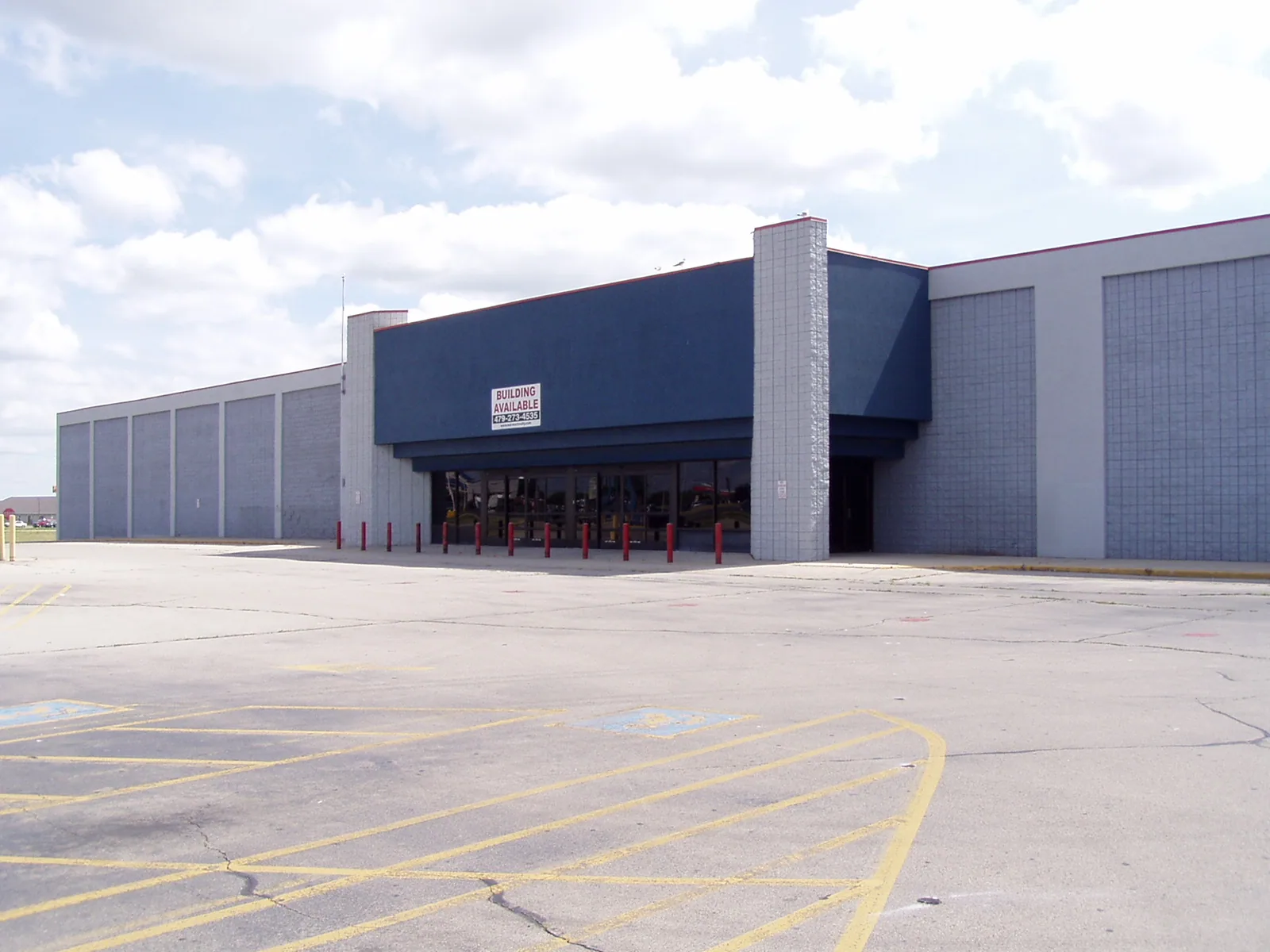
Big-Box Retail Roofing in Dearborn, MI
A big-box store is one large membrane field with a lot of equipment standing on it. The field is flat, the drains are few and far apart, and the rooftop units are heavy enough to push their curbs out of level over the years. In Dearborn, MI, the city's audited report describes commercial redevelopment along Ford Road between M-39 and Mercury Drive, and a retail roof beside a street in transition has to be judged for how long it must last.
The detail that controls the roof is usually small. A single failed curb corner, an unsealed pipe boot or a drain bowl clogged with debris can let water into a space that holds inventory worth far more than the repair. The inspection therefore starts with the equipment and the drains, and it works outward across the field.
The Membrane Field
Across a large retail roof, we look for the same handful of conditions: open or lifted seams, punctures from foot traffic, blistering, shrinkage that pulls at flashing and ponding at low points. We walk in a grid, mark each finding on the plan and photograph it with a scale reference. Probing seams along their full length catches the next weak lap before it leaks.
Membranes age differently by type. TPO and PVC seams are heat-welded and can be probed; EPDM seams are taped or glued and can lose adhesion; modified bitumen and built-up roofs show cracking and loss of surface granules. The type changes the repair method and the expected life, so the first page of the findings names it. A roof at the end of its life shows widespread seam failure, shrinkage and wet insulation together.
The city's audited report describes a redevelopment assessment at the former Fairlane Town Center property, with planned links to downtown, and improvements on Oakwood Boulevard connecting West Dearborn business areas. A changing neighborhood changes how long a nearby roof must last. A store with a five-year horizon needs a different repair plan than one with a twenty-year lease, and the Fairlane and Midtown district is one place where that question applies.
Rooftop Units and Curb Transitions
Retail buildings need a lot of conditioned air, so the roof carries a row of large units. Each sits on a curb, and the curb transition, where flashing meets the unit and the membrane, is a frequent leak point on the roof. Vibration loosens fasteners, sealants dry out and condensate wears the surface under drain lines. We check every curb corner, the counterflashing and the pitch of the surface around the unit.
Foot traffic follows the service routes, and the membrane along those routes wears first. Walkway pads belong on those paths. The rooftop equipment curb and support record numbers each unit and attaches photographs, so a technician's call about a noisy fan can be matched to a curb condition without another climb.
Beside its smaller neighbors, the box is a different case. A shopping center roof divides into bays with party walls, while a big box is one open field with a single owner. A grocery store roof adds refrigeration load to the same format. The inspection method carries across, but the equipment list is different each time.
Drain Bowls, Scuppers and Ponding
The Dearborn station reports 35.05 inches of precipitation in a year, with measurable amounts falling on nine to twelve days of most months. A flat roof of this size sheds that water to a few outlets, and each outlet needs to be clear, set at the correct height and backed up by an overflow. We clear the drain bowls, measure ponding after a dry spell and check that scuppers sit low enough to relieve water before it rises past the flashing.
Winter adds snow. Detroit's normals give 14 inches of snow in January and 12.5 in February, and that snow settles against parapets and units, then melts toward the drains. Ice can block an outlet, and the next melt backs up onto the roof. Drains are cleared before the first snow and checked again after the first thaw, and roof drain and scupper work is scheduled before the cold season.
Loading Docks and Perimeter
The back of a big-box store has loading docks, trash compactors and often a lower roof over a stockroom. Edge metal, gutters and downspouts there carry heavy use, and trucks can strike a canopy or a downspout. We inspect the edge metal for loose fasteners and gaps, the gutters for slope and clogs and the dock canopy for impact damage. A downspout that discharges onto a truck apron can freeze into ice sheets, so we trace each discharge and recommend moving or extending it.
Where the roof edge faces the wind, uplift pulls at the metal first. Edge metal and coping that is loose or bent is replaced with fastener patterns that match the edge detail, and the work is photographed before and after.
Working Around Trading Hours
A store cannot close for a roof, so the work is zoned, and the plan marks the lift position, the staging area and the section open each day. Noisy steps move to the hours the store manager names, and pedestrian routes below are fenced. Before the crew leaves each day, the open section is dried in and photographed, and a second photograph is taken the next morning if rain fell overnight.
Receiving matters as much as the sales floor. Delivery trucks cannot be blocked, so the lift and dumpster are placed away from dock approaches. We ask for the delivery schedule and show it on the work plan with the hours the lift moves.
Holiday periods move the schedule. Stores avoid roof noise in their busiest weeks, so the work plan lists blackout dates and the weather risk of waiting. A repair delayed until after the season stays temporary, labeled that way in the file with a return date.
Planning a Replacement
A replacement is permitted under Michigan's 2021 building code (effective April 9, 2025) and commercial energy code (effective April 22, 2025), and the energy code may require added insulation to meet the energy code, which changes flashing heights and costs, so the enforcing authority is asked before the scope is final. The inspection supplies the numbers for repair, recover and replacement, each with remaining service life.
An owner with several stores in the area can have them ranked together as a multi-site roof program, and a chain with stores across metro Detroit can use one scope format for every site, which is how retail and restaurant chains compare locations.
Commercial Roofing Questions
What is the most common leak point on a big-box roof?
The curb transition at a rooftop unit. Vibration loosens fasteners, sealants dry, and condensate wears the surface. We check every corner, record the condition with photographs and reflash in stages.
How is ponding on a large flat roof handled?
We measure depth after a dry spell, trace the cause to a drain set high, a blocked outlet or a deflected deck and recommend the cheapest fix that works. Clearing an outlet costs little; tapered insulation costs more but corrects the slope.
Can roofing proceed while the store is open?
Yes, in zones. The work area is fenced, the loudest steps move to quiet hours and each section is dried in daily. Receiving routes stay clear because the lift and dumpster are placed away from dock approaches.
Does the energy code change a replacement?
It can. The 2021 Michigan Commercial Energy Code may require added insulation depending on scope, so the enforcing authority is asked before pricing. The update shows the cost effect of any added thickness.
What records should the real estate group keep?
The numbered roof plan, dated photographs, seam probe results, moisture findings and warranty papers. With them, a group can compare stores on one schedule and plan replacement by remaining service life.
Schedule a big-box roof inspection
Tell us the store hours, the delivery schedule and where the roof is reached. We will document the membrane, the equipment curbs and the drains with photographs and written findings, then give you repair and replacement paths to price.
