
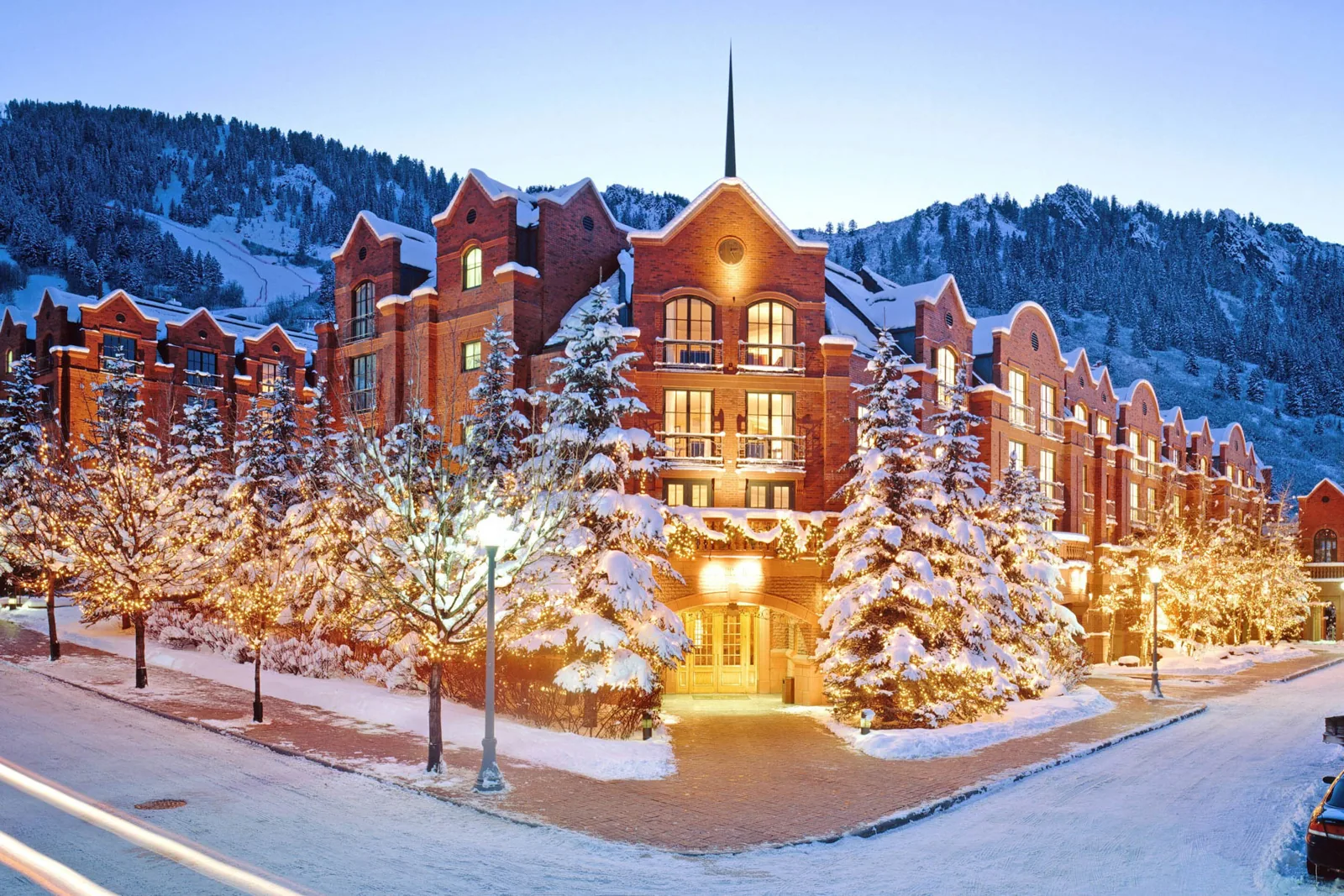
Hotel Roofing in Dearborn, MI
A hotel roof covers rooms that earn money by the night, and each room taken out of service is a measurable loss. That fact shapes the entire inspection. The Fairlane and Midtown area of Dearborn, MI, is a commercial and mixed-use redevelopment district near Ford's headquarters and two colleges, and nearby Melvindale lists redevelopment that includes lodging and food service. In a market like that, a hotel roof is judged by how many rooms a leak can take offline and for how long.
We therefore start by mapping the roof sections against the room blocks, the corridors, the kitchen and the public spaces below. A leak over a corridor is a cleaning problem; a leak over a block of rooms is a revenue problem. The inspection ranks sections by that difference.
Guest Rooms Under the Roof
Water in a guest room starts with a ceiling stain, a smell or a sagging tile, and housekeeping often finds it first. We ask the front office to log each report by room number and date, then trace the water up through the ceiling to the roof section above. A pattern of rooms in a line points to a seam, a drain or a wall; scattered rooms point to rooftop equipment or a shared chase.
Rooms under repair come out of the rotation, so the plan lists which rooms are affected, for how long and what protection they need. Beds, carpet and electronics are covered or moved, and the room is not returned to service until moisture readings confirm the ceiling and walls are dry. That reading, with the date and the instrument used, goes into the file.
Moisture meters make the call on whether a room is ready. A ceiling that looks dry may still hold water above the tile, so we scan with a meter, probe above the ceiling where access is available and take readings at fixed points. The readings, the date and the instrument go in the room record. A room is returned to service only after the reading meets the owner's threshold, and the threshold is written down before the work starts.
Kitchen, Laundry and Pool Exhaust
Hotels run more exhaust than most buildings. Kitchen hoods discharge grease and steam, laundry exhaust carries heat and lint, and a pool or spa area, where present, sends warm humid air through fans on the roof. Each discharge wears the membrane around it, and lint and moisture can clog the surface and hold water. We inventory each fan and record the condition of the membrane nearby.
The rooftop equipment curbs and supports check covers the curbs, the stands for condensers and the line sets that cross the roof. Where the membrane near a kitchen hood is softened, a PVC membrane is considered for that section. Moisture from a pool area can also condense under the deck, so we check the underside for rust and damp insulation.
A hotel restaurant brings the kitchen patterns found in restaurant roofs to a building that also has guest rooms, so grease, steam and heat are checked above rooms as well as above the dining area. A long-stay or extended-stay hotel behaves more like apartment roofing, where the same occupants live below for weeks and quiet hours matter more.
Phased Work and Room Blocks
A hotel cannot close for a reroof, so the roof is divided into phases that match room blocks. Phase one opens a section, protects the rooms beneath, replaces or repairs the roof and dries in at day's end. The next phase starts once the first is complete and the rooms have been checked. The schedule lists the rooms out of service in each phase and the dates, which the revenue manager can match against demand.
Noise and odor are guest issues. Tear-off is scheduled for mid-day hours when rooms are empty, fastening is done with quiet methods where possible and adhesives with strong odors are avoided over occupied floors. An occupied-building reroof sets work zones, lift positions and guest routes in a written plan, and the general manager approves it before the first phase opens.
Material handling follows the same logic. A pallet of insulation on a lot beside the guest entrance spoils the arrival, so staging goes at the service side, deliveries are timed to the loading dock and the lift position is marked on the plan. The crew's parking is separate from guest parking. Each day ends with the open section dried in, the debris swept and the guest routes checked, and the supervisor records the time.
Atriums, Skylights and Entry Canopies
Many hotels have an atrium, a lobby skylight or a porte-cochere at the entry. Each of these is a high-visibility roof detail. Thermal movement works on skylight curbs and the glazing seals age, so we check the skylight and penetration flashing, the glazing gaskets and any interior staining below. A canopy roof is small, but it drains toward the entrance, and a blocked outlet drops water onto guests.
Canopy drains, gutters and downspouts are cleared before winter, and discharge points are traced so water does not freeze across a walkway. Ice at an entry is a liability, and the fix is usually a short reroute of the downspout.
Roof-mounted signs and architectural features also penetrate the roof. A sign bracket that passes through the membrane needs its own flashing, and a decorative element that was added after the roof was installed may have no flashing at all. Each is inventoried, photographed and priced as a separate line so the owner can decide how to treat it.
Snow, Wind and Storm Response
Dearborn gets 30.8 inches of snow a year, and the National Weather Service documented severe storms across the region in September 2026, with damaging winds, large hail and tornadoes. After a storm, a hotel needs a fast answer on which rooms are safe. The tornado damage and hail damage checks look for lifted membrane, missing coping, dented metal and displaced equipment, and the written findings list the rooms at risk.
The storm record helps with insurance. It shows what was found, what was protected and what the temporary work cost, with photographs tied to roof sections and room blocks.
Planning Replacement Across a Portfolio
A hospitality group with several properties benefits from a single ranking. Tracking warranty dates and inspection conditions lets a hospitality group schedule replacement before a warranty lapses. Replacement insulation may be shaped by the state energy code effective April 22, 2025, and the enforcing authority is asked before pricing.
Commercial Roofing Questions
How should a hotel track roof leaks reported by guests?
Log each report by room number, date and description. The log lets us trace water to a roof section and shows whether the pattern is a seam, a drain or equipment. Rooms stay out of rotation until moisture readings confirm they are dry.
Can a hotel reroof without closing?
Yes, with phasing. The roof is divided by room block, each phase opens one section, protects the rooms below and dries in daily. The revenue manager receives the room-out schedule in advance.
What exhaust problems appear on hotel roofs?
Kitchen grease, laundry heat and lint, and pool humidity. Each wears the membrane near the fan, and moisture can condense under the deck. We inventory each fan and record the condition around it.
Why is the entry canopy inspected separately?
It is small, visible and drains toward guests. A blocked outlet drops water at the entrance and can freeze across a walkway, so its drains and downspout discharge are traced and corrected.
What documentation helps after a storm?
Dated photographs, a list of affected rooms, the temporary protection and its cost. We separate storm damage from wear, which supports a claim conversation with the insurer.
Schedule a hotel roof inspection
Send the room-block layout, the high-demand dates and the roof access details. We will inspect each section, record findings in writing with photographs, and give the general manager a phased plan that shows rooms out of service.