Fire Damage Roof Repair in Dearborn, MI
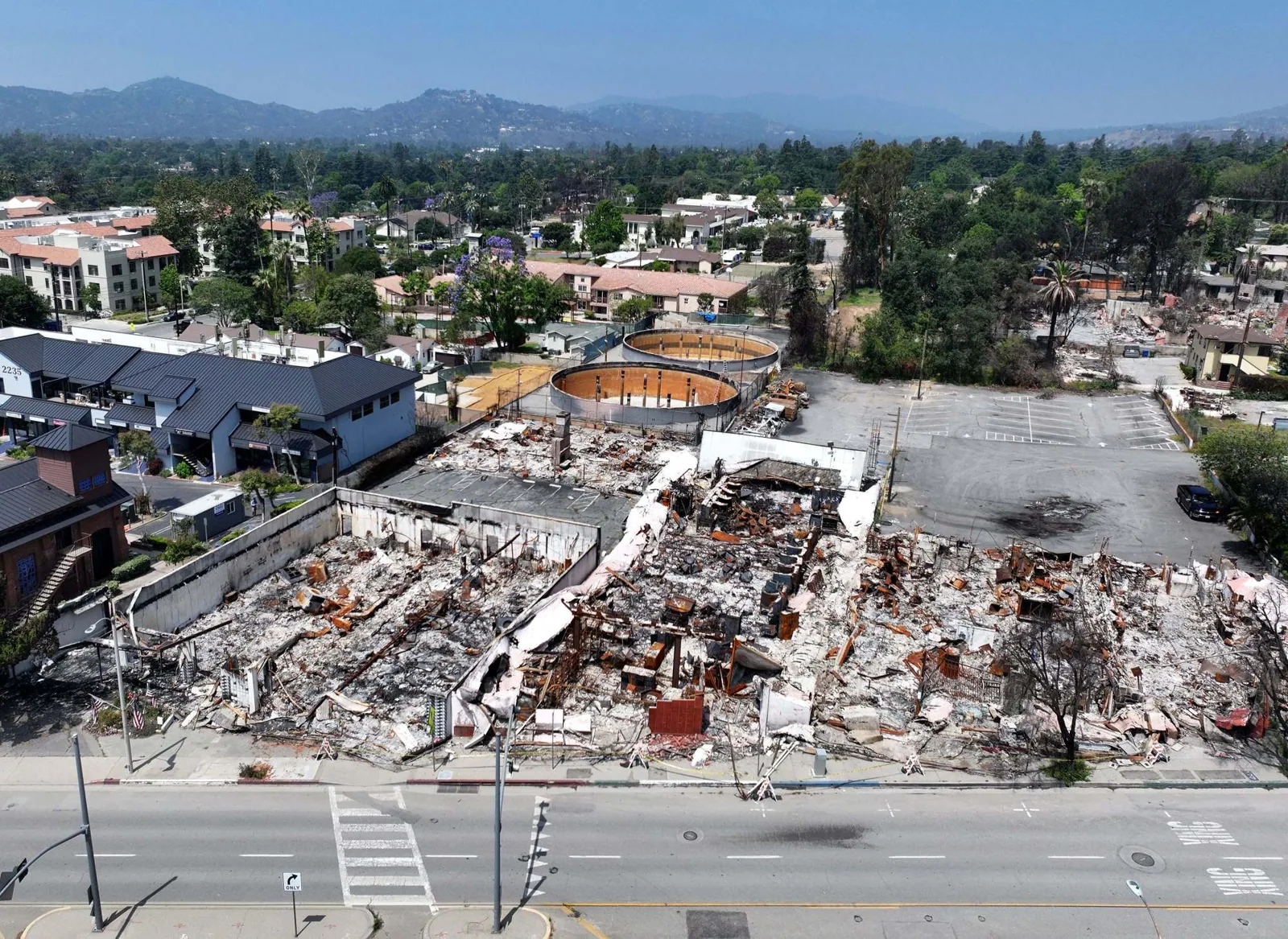
A restaurant with a kitchen fire and a warehouse with a fire in its racking leave very different roofs behind, and the first decision on either is whether anyone can safely stand on what remains. After a fire at a commercial building in Dearborn, MI, nothing goes on the roof until the site has been released and, where the deck may be compromised, a structural opinion says it can carry a crew. Only then does the check in sequence begin: numbered sections, photographs from fixed points, and written findings that separate heat damage, water damage, and smoke damage.
Those three have different repairs. A roof that burned through needs structural attention first; a roof that stayed intact but soaked up firefighting water needs moisture mapping.
Heat and Burn Damage
Heat alters roofing materials well before flame reaches them. A single-ply sheet can shrink, blister, or melt. Modified bitumen and built-up roofs can bubble and slide. Foam insulation can distort, metal decking can warp, and metal panels can lose coatings and discolor. Where flame touches the roof, wood decking can char, and the char often goes deeper than it looks from the surface.
We map the damaged area, probe its edges, and test where sound material begins. A membrane that looks intact may have lost flexibility, so a bend test or a sample may be needed. The boundary between damaged and sound is the repair boundary, drawn on the plan with photographs, and it often extends beyond the visible burn. The findings say why, and they list the tests that located the line, so an engineer or an adjuster can repeat them. Where a hot area has already cooled, we still probe, because material that survived the fire can be brittle and fail at the next thaw.
Suppression Water in the Roof Assembly
Firefighting puts a large volume of water on and through a building, and the roof assembly can soak it up far from the flame. If wet insulation stays in place, a new sheet will trap the moisture and the roof will fail early. An infrared moisture survey and cores show where the wet insulation lies, and the map decides where tear-off is needed.
Drying in place is sometimes possible, but only with the sheet removed and the weather helping, and some insulation must be replaced once it is saturated. Michigan weather makes the question tighter: NWS Detroit places the first measurable snow around mid-November, and an open roof late in the year has to hold through freezing conditions.
Temporary Protection and Access Window
After clearance, the first job is to stop more water from entering. A temporary membrane, ballasted tarps, or sealed openings go over the damaged area, photographed before and after. Emergency roof repair crews are dispatched day or night once the scene is released. The protection has a follow-up date on the record, because tarps move in wind and a temporary patch does not last a winter.
The access window is the other constraint. A fire scene may be fenced, utilities may be off, stairs and hatches may be damaged, and the ground may be littered with debris and standing water. We plan the way onto the roof in advance: where the lift can stand, whether a ladder is safe, and whether interior access can be used at all. Interior restoration crews receive the roof plan and the date the roof is closed, so drying and rebuilding are not undone by a new leak. If the fire reached a skylight or a roof hatch, that opening is closed first, since it is both a hole in the roof and a path for smoke and water into the space below.
Smoke, Soot, and Adhesion
Smoke leaves residue on membranes, in insulation, and in the flutes of the deck. Soot can stain a surface without hurting it, but some residues interfere with adhesion. If a repair needs to bond to a smoked surface, the area is cleaned and tested before work begins. Rooftop equipment may have drawn smoke into the building, and the units need an inspection by a mechanical contractor before restart; we flag them in the findings.
Smoked insulation that never got wet is often serviceable, though odor can linger in some materials. The decision to keep or replace belongs to the owner and the restoration team, and the file records what was found and what was decided. Where redevelopment near Fairlane and the colleges, or reuse of older storefronts along Michigan Avenue, has already touched a building, one deck can carry mixed roof ages; the plan labels each age so the claim and the repair follow the right section.
Building and Energy Code at the Permit Date
A fire repair of this size falls under the 2021 Michigan Building Code (in effect since April 9, 2025) and the 2021 Michigan Commercial Energy Code (in effect since April 22, 2025). What reaches a given repair is the call of the office that enforces the code, so the requirement is confirmed before the work is priced. A fire repair that replaces a significant part of the roof can bring questions about insulation level and assembly, depending on scope, and the findings flag those items for the building department.
We prepare the roof portion of the documentation: photographs, test results, the repair boundary, and the proposed assembly. Owners on the business corridors of East Downtown and West Downtown, where historic storefronts line Michigan Avenue, should also have adjoining roofs checked, since attached buildings can share walls and drainage. The findings list what the walk shows.
Claim Documentation and Permanent Repair
When the owner files an insurance claim, our file serves as the roof portion. It includes the numbered plan, dated photographs, test results, the temporary protection record, and a scope that keeps proven work apart from concealed conditions awaiting a test. Claim documentation support is available to organize it. The file does not say what a policy pays.
After the scope is agreed, the permanent repair or replacement proceeds in the order the plan sets. A flashing failure exposed by the fire is repaired in the same sequence, and any ponding left by a damaged drain is measured on the same visit, so the new roof starts with sound details and a clear water path.
Commercial Roofing Questions
When can a roof inspection begin after a fire?
Once the site is released and the deck is cleared as safe to walk. Until then, any assessment is limited to what can be seen from outside, and the findings say so.
How is wet insulation from firefighting found?
With an infrared scan and cores at marked points. The map shows where water traveled and where it did not, and it sets the tear-off boundary.
Does smoke damage require replacing the roof?
Not by itself. Smoke leaves residue that may need cleaning for adhesion, and the owner decides with the restoration team whether any insulation should be replaced for odor.
What happens to rooftop equipment after a fire?
The units are flagged for inspection by a mechanical contractor before restart, since smoke may have entered them. Their curbs and flashings are checked for heat damage as well.
How long does temporary protection last?
It depends on the method and the weather. Each has a follow-up date in the file so it is checked and renewed before it fails, especially as winter approaches.
Do you tell the owner what insurance will cover?
No. Coverage is for the insurer to decide. We supply the roof condition, the temporary work, and the proposed repair scope.
Send the fire date and the site release status
Send the building address, the date of the fire, and the current clearance status, along with the access window. We will return a protection plan, written findings with a numbered inspection record, and the tests needed before a repair boundary is set.