Distribution Center Roofing in Dearborn, MI
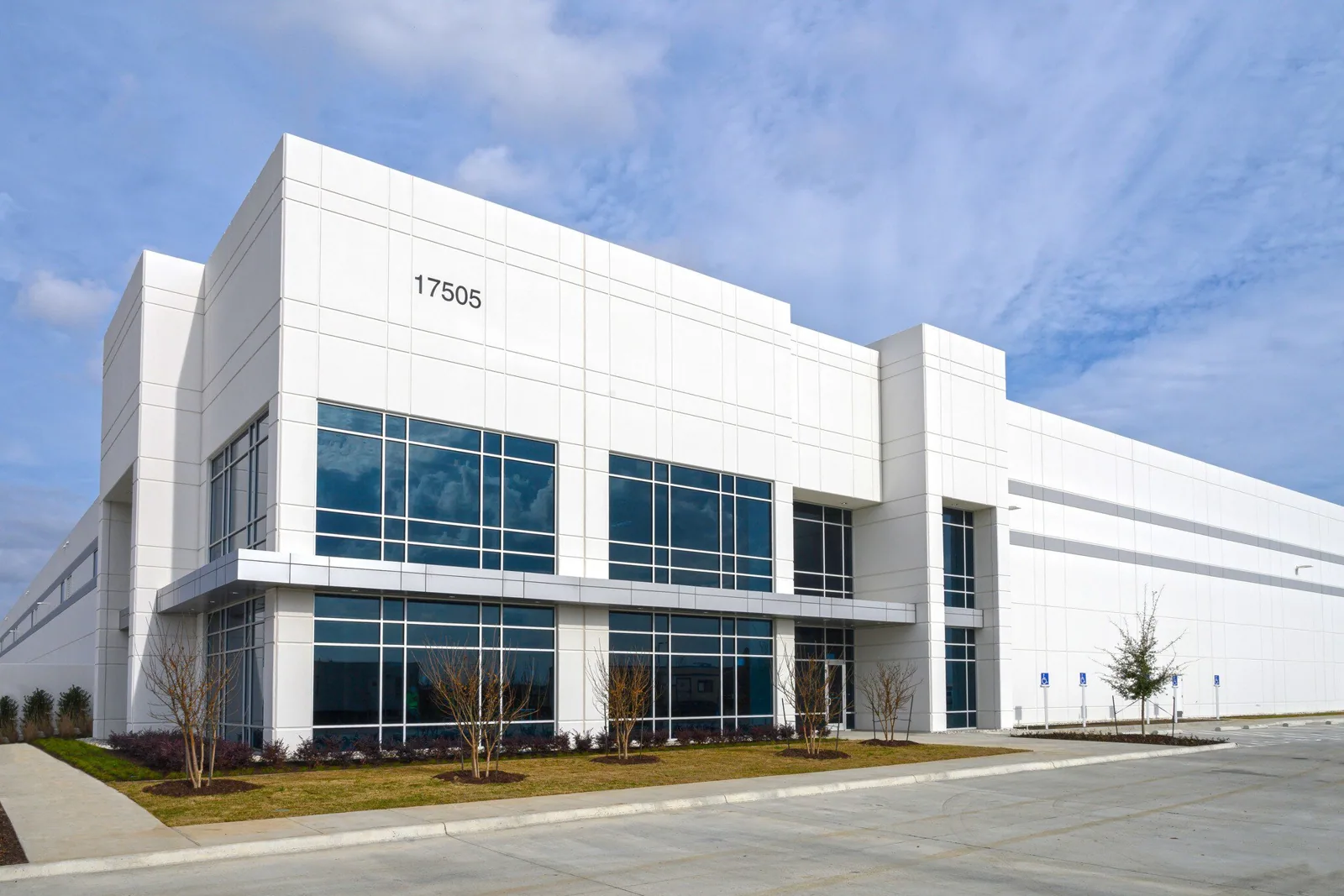
A fulfillment or distribution building runs on a schedule, and the roof condition that changes the decision is whether a leak can reach racking, conveyors or product. These buildings are among the largest low-slope roofs in a market, with interior drains, long seams, rooftop units spread across the field and loading docks on one or two sides. Dearborn, MI, sits inside the Detroit metro area, where over 70 percent of local jobs come from manufacturing, education, health care and professional services, and a distribution building here still has to keep its roof working through a Michigan winter.
We begin with a plan of the roof sections, then walk each one for water entry, membrane condition and the details that admit water. The written findings rank problems by consequence, so that repairs over high-value interior zones come first.
A distribution roof also has an operating history we need to learn quickly, and the operations manager is the best source: where leaks have been reported, which interior zones have been moved or reconfigured, and whether racking or equipment has been added under the roof since the last repair. A roof section that was over empty floor ten years ago may now be over a sortation line, and the priority order changes with it.
Protecting What Sits Below
The roof over a conveyor, a sortation line, a battery-charging area or a high-value pick module needs different handling from the roof over empty floor. We ask for an interior map or a walk-through at the start of the job, mark the roof zones that sit above sensitive areas and plan the work so those zones are repaired first and protected longest.
High-clearance interiors mean a leak may drip a long way before it reaches a floor, and the stain on the deck is often farther from the entry point than it looks. Ceiling-less buildings expose the underside of the deck, which is useful: we can sometimes see rust, discoloration or daylight from below and match it to the roof plan.
Drains, Seams and Rooftop Units Across a Large Field
On a roof this big, drains are numerous, and each serves a defined area. A blocked drain floods its zone while others drain freely. We number every drain and scupper on the plan, with the number painted at the drain so a later crew finds the same one, flush each line and record the result, then follow the slope to the low runs between them. Drainage is a year-round job rather than a winter one.
Rooftop units are fewer on a distribution building than on an office, but each one carries its curb, its penetrations and its service traffic. We check the flashing at every curb and the walkway wear along the route from the access point.
Dock Doors, Canopies and Edges
Dock-side parapets and canopies carry daily abuse. Truck traffic, door cycling and snow removal all stress edge metal, and a canopy sagging from ice load can pull the flashing at the wall. We check the roof edge above the doors, the gutters and downspouts, and the apron below for ice that points to a blocked outlet.
Where docks run on two sides, the roof has two active edges, and each is scheduled separately, with its own barricades, its own signage and its own fall protection. Crews work above doors only when the doors below are closed or barricaded, and the schedule respects shift changes, peak freight times and holiday volume. We answer emergency calls at every hour and on holidays, since a leak in peak season is the costliest kind. On a call, the first crew confirms safe access, covers the interior, seals the opening temporarily and photographs the entry point, all before price comes up. The permanent repair is scoped afterward from what the roof shows.
Snow, Thaw and Wind Across a Wide Roof
Average snow runs 14 inches in January and 12.5 in February, with the first measurable flakes near November 16 and the last near April 7. A wide roof lets wind pile snow against taller walls and rooftop screens, and the thaw sends meltwater along one path toward a few drains. Any severe weather earns a walk that checks perimeter metal and curbs for movement, and the EF-0 tornado the NWS documented in Lincoln Park in September 2026 is a reminder of how close such weather comes.
Project snow loads require code-specific site checks, and we leave structure to the engineer. What we record is where drifts form, how fast the roof drains after a thaw and whether any deck deflection is visible.
Repair, Recover or Replace on a Large Roof
On a roof of this size, the scope decision is a cost and timing decision. A series of isolated repairs may be reasonable when moisture is limited and the membrane is sound. A recover adds a new membrane over dry insulation and keeps the building running with less disruption. A replacement in phases lets the owner spread cost across budget years while keeping each phase watertight.
Permits bring in the state's 2021 building code, and the commercial energy code may change the insulation depending on scope. The moisture survey, not the age of the roof, sets the boundary between the options.
Phasing and Multi-Building Programs
An owner of several distribution buildings can set up one reporting format across them, so the worst roof gets the next dollar. A multi-site roof program runs the same inspection sequence on every building and ranks them by consequence and condition. Phased replacement uses the same logic inside one building, taking the worst sections first.
Planning documents for a large roof include a section map, a schedule by phase and a plan for temporary protection at the end of each day. The closeout file collects the photographs, moisture readings and warranty paperwork for each phase. Staging areas are kept clear of dock aprons and fire lanes, and the foreman checks in with the shift supervisor at the start and end of every working day so that the roof crew and the freight crew never surprise each other. Cost appears line by line: area, wet insulation, penetrations and curbs, lift and crane access, weather days and the hours the building allows. When a line changes, the reason is on the page.
Where These Buildings Are Found
Detroit lies on Dearborn's east border, and the city's audited report mentions commercial redevelopment on Ford Road between M-39 and Mercury Drive. Freight and logistics roofs in Taylor, Romulus and Southgate are within reach as well. A warehouse that mostly stores goods and a cold storage building with a refrigerated interior raise their own variations on the same dock and drainage questions.
Commercial Roofing Questions
Which part of a distribution roof gets repaired first?
The sections over sensitive interior zones, such as conveyors and high-value storage, and the sections with active leaks. Findings are ranked by consequence.
Can the roof be worked on during peak season?
Emergency leaks are, with a temporary seal. Permanent work is scheduled around peak volume where possible and sequenced by roof section.
How are drains tracked on such a large roof?
Each drain and scupper is numbered on the plan, flushed and recorded. A blocked drain floods its zone, so the log shows which zone fails first.
Does a recover suit a distribution building?
Often, if moisture testing shows dry insulation. It avoids tear-off and interior dust, and a cover board separates old and new.
What happens to the roof plan after the work?
It goes into the closeout file with photographs, moisture readings and warranty paperwork, and it carries the date of the next walk.
Schedule a roof walk around your shift pattern
Send the dock schedule, the interior zones that cannot get wet and the roof access. We will document each roof section and rank the findings by consequence.